
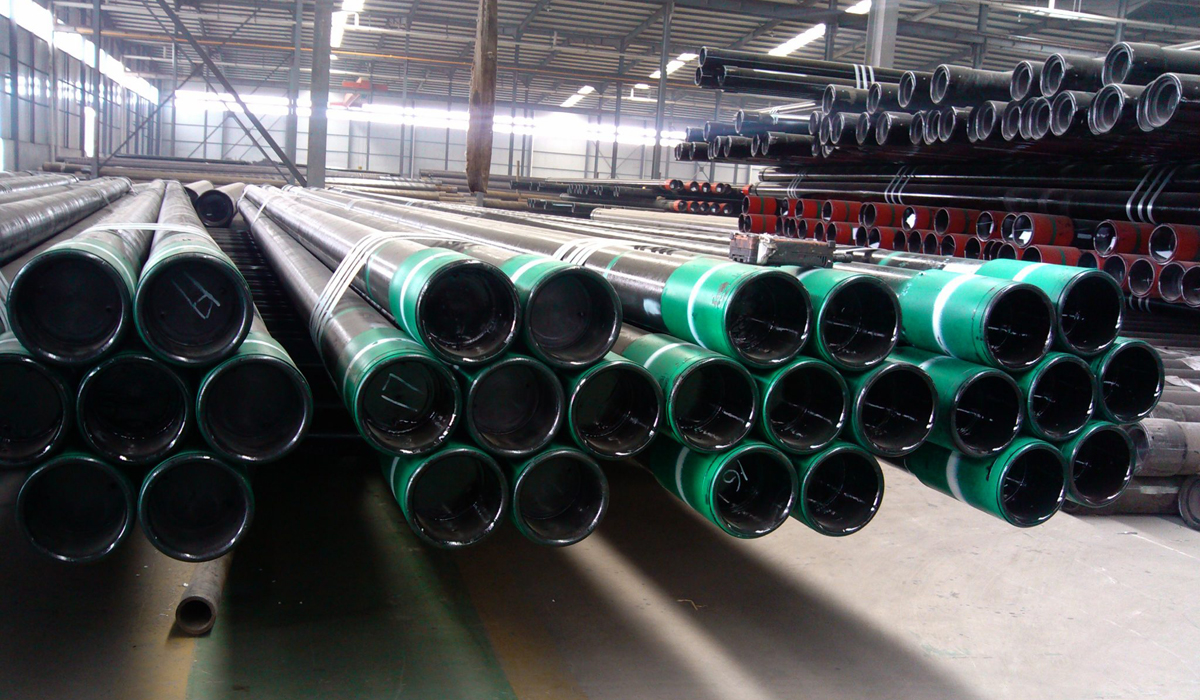
Prices for Turkish welded pipes fell by $3 per tonne over the same period
The global pipe market is seeing mixed trends, driven by the specific characteristics of different pipe products. At the end of October, prices for welded pipes in Turkey, intended for construction, fell by $3/t, whilst quotations for oil and gas pipes (OCTG) in the US rose by 3% m/m to $3,125/t. High oil prices are stimulating investment in drilling and, as a result, are driving up prices for oil and gas pipes.
USA
The market is dominated by optimistic expectations among US producers and suppliers amid strong demand, although overall sentiment remains cautious due to trade and geopolitical factors. Distributors and service centres are prioritising domestically produced products to ensure reliable supplies and avoid tariff risks. Average prices for OCTG pipes on North America FOB terms rose as expected in October, by 3% m/m, or $94, to $3,125/t.
The main market trends include:
Steady demand amid shortages. Domestic consumption is outpacing output at US mills, resulting in shortages.
Lower import activity. Importers have sharply curtailed purchases due to high duties, logistics problems and the risk of sudden changes in US trade policy. Imports in 2026 are significantly lagging behind 2025 levels.
Protectionism and duties. The US has kept in place anti-dumping duties on OCTG imports from five countries (India, South Korea, Turkey, Vietnam and Ukraine) and has preliminarily set high dumping margins for Austria (47.21%).
The dynamics of the number of operating drilling rigs in the US also confirm this trend and point to growing investment in drilling. According to Baker Hughes, the number of oil and gas rigs in the US, an early indicator of future production, stood at 603 at the end of October, 57 more than in the same period of 2025. It is also five rigs more than at the end of September.
Suppliers expect favourable price conditions to persist thanks to a stable number of operating rigs and tariff protection, but further price dynamics will depend on the situation after the US elections and the geopolitical environment in the energy market.
Turkey
Official offers are holding at $630–650/t (FOB Turkey). However, actual deals are being concluded at discounts (for example, 1,500 tonnes to the UK at $635/t). According to Kallanish, prices for welded pipes in Turkey fell by $3 in October to $633/t (FOB Turkey).
Market sentiment remains cautious and pessimistic. Producers are taking a wait-and-see stance due to limited order books, uncertainty over the CBAM mechanism and strong pressure from buyers demanding discounts.
The main market trends in October include:
Falling demand. Key sales markets (the EU and the UK) are showing weak activity. Unlike in previous years, purchases for January quotas were virtually absent in October.
Search for alternatives. Exporters are shifting their focus to the UK, non-EU Balkan countries and Georgia.
Trade barriers. The US has confirmed preliminary countervailing duties on Turkish large-diameter welded pipes (3.34% for HDM Çelik).
Producers expect hot rolled coil (HRC) prices to decline further, following long products prices, which will keep pressure on finished pipe quotations. In October, domestic HRC prices fell to $630–645/t (EXW). Lower raw material costs are the main factor forcing exporters to make concessions.
Overall, the situation in the Turkish construction market, the main domestic consumer of welded pipes, is far from positive. Seasonally adjusted, the economic confidence index for Turkey’s construction sector, calculated by TUIK, rose by 0.4 points m/m in October (after a 0.2-point decline in September) to 83.3. An index value below 100 indicates that pessimistic sentiment prevails.
China
The steel pipe market in China has remained weak throughout the autumn. In the domestic market, prices are mostly declining or moving sideways. The main pressure factors are low consumer demand and weakening support from raw material prices.
From the end of October to the beginning of November, domestic prices for seamless and other types of steel pipes ranged from moderate stagnation to a slight decline.
The situation in the export segment is similar: export quotations from Chinese producers remain mostly stable. Despite persistently weak global demand and intensifying competition in foreign markets, mills are in no hurry to cut offer prices, keeping them at previous levels. The key reason for stagnation in both the domestic and foreign markets remains the lack of incentives for demand growth.
Related Posts
- ▶ EU Industrial Production Rises 0.5% in September 2026
- ▶ US OCTG Pipe Prices Rise 3% in October as Global Steel Pipe Market Shifts
- ▶ Nucor Raises Hot-Rolled Coil Price by $15 to $1,270 per Short Ton
- ▶ Nucor Raises Hot-Rolled Coil Prices by $15 per Short Tonne
- ▶ Nucor and Gerdau Raise US Rebar and Steel Prices by $30 per Short Ton
- ▶ EU Scrap Export Restrictions May Reshape Ferrous Trade
Online Message


Leave A Message
If you are interested in our products and want to know more details, please leave a message here, we will reply you as soon as we can.